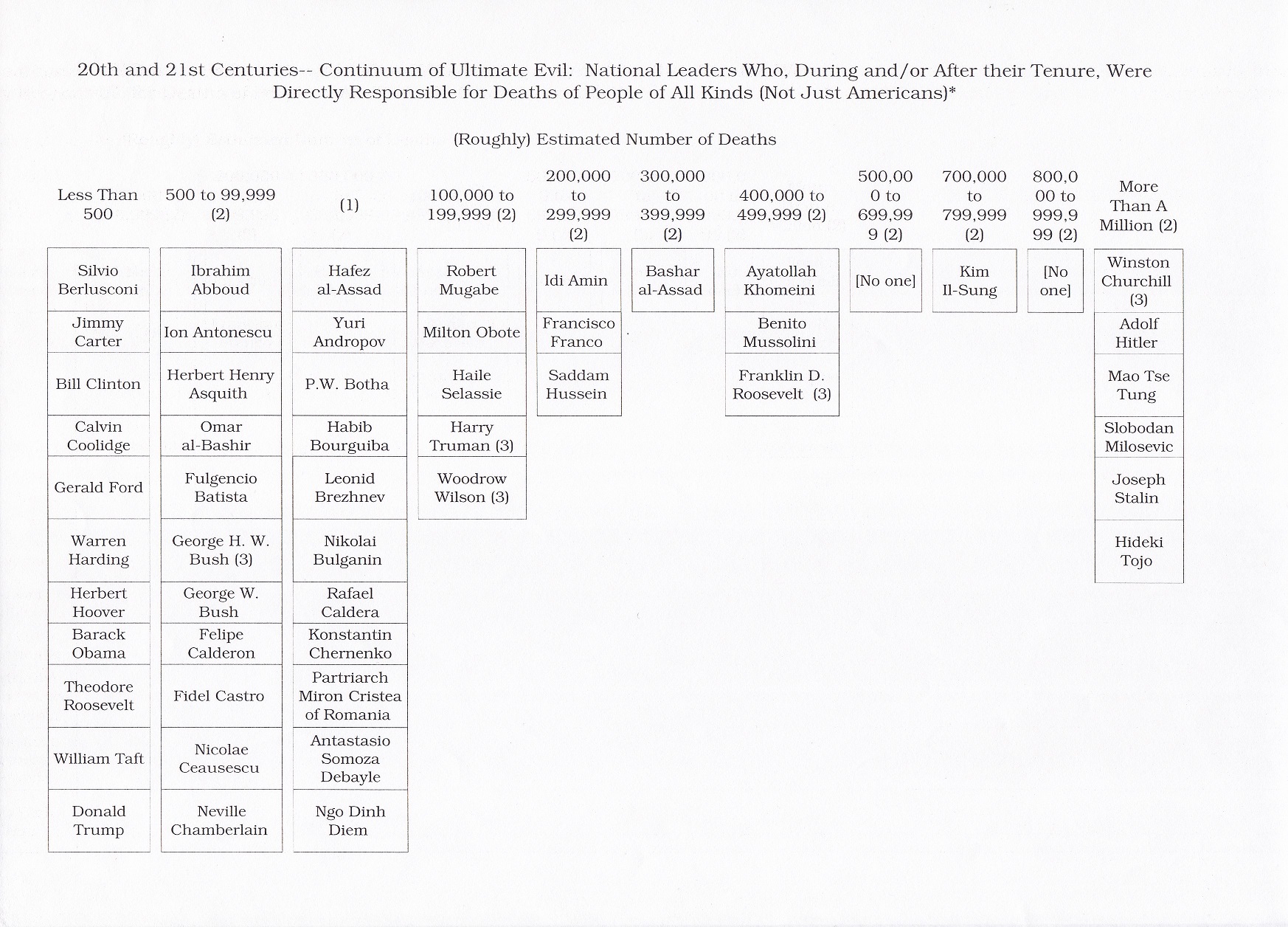
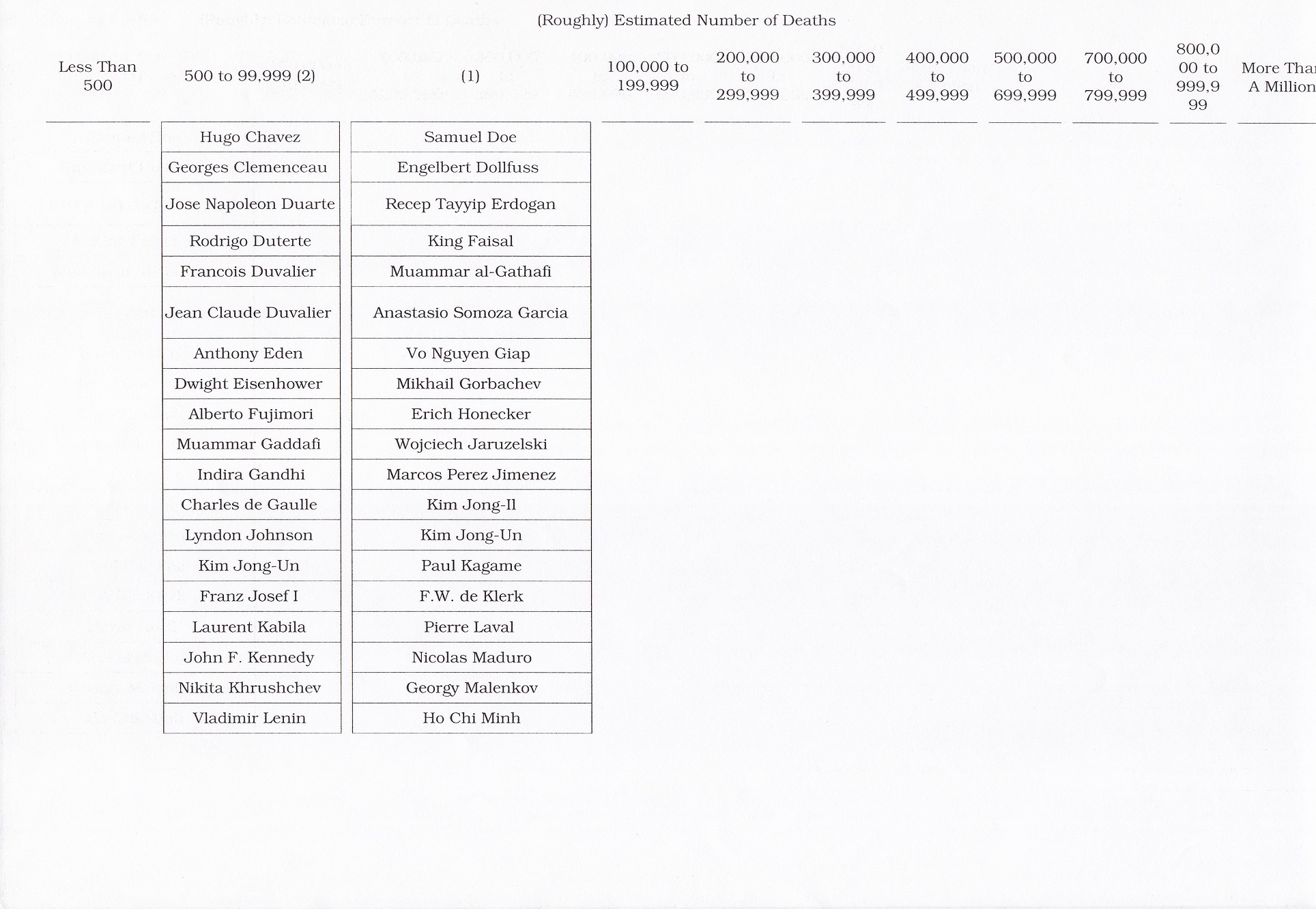
The Book of the Week is “Memoirs” by Mikhail Gorbachev, published in 1995. This tome described the Soviet leader’s push for political and economic change for the benefit of the millions and millions of people governed by him.
Born in March 1931 in Stavropol, Gorbachev grew up to become a bureaucrat, following the mentality of his agricultural community. The (federal) Central Committee of the Soviet Union (the Union) had a command economy– the government dictated all aspects of labor, capital and goods. It also assigned housing to all people living in the Union, including officials, pursuant to the political hierarchy. Additionally, vacation houses (dachas) were bestowed upon higher-level officials. Incidentally, according to the author, Politburo members socialized among themselves at work-related functions only, nowhere else– because they were afraid others would gossip about them.
The bureaucracy by the State Planning Committee (“Gosplan”) generated endless memoranda and plenums, not to mention meetings– on harvests, irrigation, infrastructure and what to do about natural disasters such as drought. A dozen different departments and ministries involved themselves in the approval process. “At the beginning of each year the oblast [Communist] Party committees would make unrealistic commitments, which were promptly forgotten. Manipulators were the heroes of the day. Those who worked diligently were looked upon with pity.”
The local government felt a desperate need to keep a stranglehold on their power. They were content with their culture of bribes, graft and mutual favors. So the bureaucrats scotched an early 1960’s capitalistic experiment of paying piece-rate wages to farmers in the infant territory of Kazakhstan when productivity caused payroll expenses to soar. Yet, the bosses wanted to see high returns on a stingy budget.
In the 1960’s and 1970’s, farms disappeared when the Union underwent a period of industrialization with extraction of fossil fuels, the introduction of electricity, and construction of army bases. The Baltic Republics counteracted increased soil salinity with lime, but Latvia didn’t. The use of weed killer worsened the already unchecked spread of pollution.
Gorbachev wrote of 1985, “No one even imagined the extent of our ecological disaster, how far we were behind the developed nations as a result of our barbaric attitude toward nature… A wave of bitterness and anger rolled through the country when it came out that the genetic pool of our peoples had been threatened.” Curiously, starting in mid-November 1982, the Union had a series of three leaders who died of ill health within a three-year period: Leonid Brezhnev, Yuri Andropov and Konstantin Chernenko.
Besides, the Politburo consisted of “dead wood” who preferred to maintain the status quo because their own living standards were the highest in the nation in terms of housing, health care, education and necessaries (food, clothing). Each bureaucrat was like the Wizard of Oz– a phony behind a curtain– except that Gorbachev couldn’t even offer accurate data to the people who needed his help.
Members of government agencies– for the purpose of public and foreign consumption– generated fanciful statistics on the Union’s products: weapons, grain, oil, gas and metals. The real numbers were abysmal. The KGB’s numerical data were also kept secret. That was just the tip of the iceberg on censorship. No negative news coverage of anyone was allowed (except of dissidents). In the spring of 1987, Gorbachev was distressed to learn that true military expenses accounted for 40% of the Union’s budget, and 20% of GNP. Four-fifths of “scientific research” was military-related.
Gorbachev opposed sovereignty for territories ruled by the Union’s central government due to his paternalistic arrogance. He claimed he wasn’t informed that Soviet tanks rolled in to Georgia to quell unrest in the spring of 1989.
Back in March 1987, Margaret Thatcher criticized Gorbachev for making arms shipments to war-prone nations worldwide. He said she made the (hypocritical) claim that the West and the United States sent financial aid and food instead, to needy nations. He tried to correct her. No word on whether he succeeded.
On their first visit to the United States in the mid-1980’s, Gorbachev and his wife Raisa were defamed by American propaganda. The media contended that Raisa wouldn’t deign to visit specific places. In reality– those places were on her schedule but she couldn’t control her vehicle’s driver in her motorcade who bypassed those places without consulting her. Also, the tabloids made up the story that she was having a cat fight with Nancy Reagan.
Gorbachev knew and took the risks involved in “rocking the boat” to move the nation forward after so many decades of deleterious political and economic self-delusion, with his concepts of “glasnost” and “perestroika.”
Read the book to learn the details, and how he was punished for doing so, why Soviet tanks rolled into Moscow (!) in October 1993, and how the Union broke up.
Endnote: This book’s translation was awkward in a few spots, such as: “After our forces were sent to Afghanistan, the USA and other nations took a number of measures against us.” [were sent?]